

Midline & Bilateral Coordination – Helping the Brain Talk to Itself
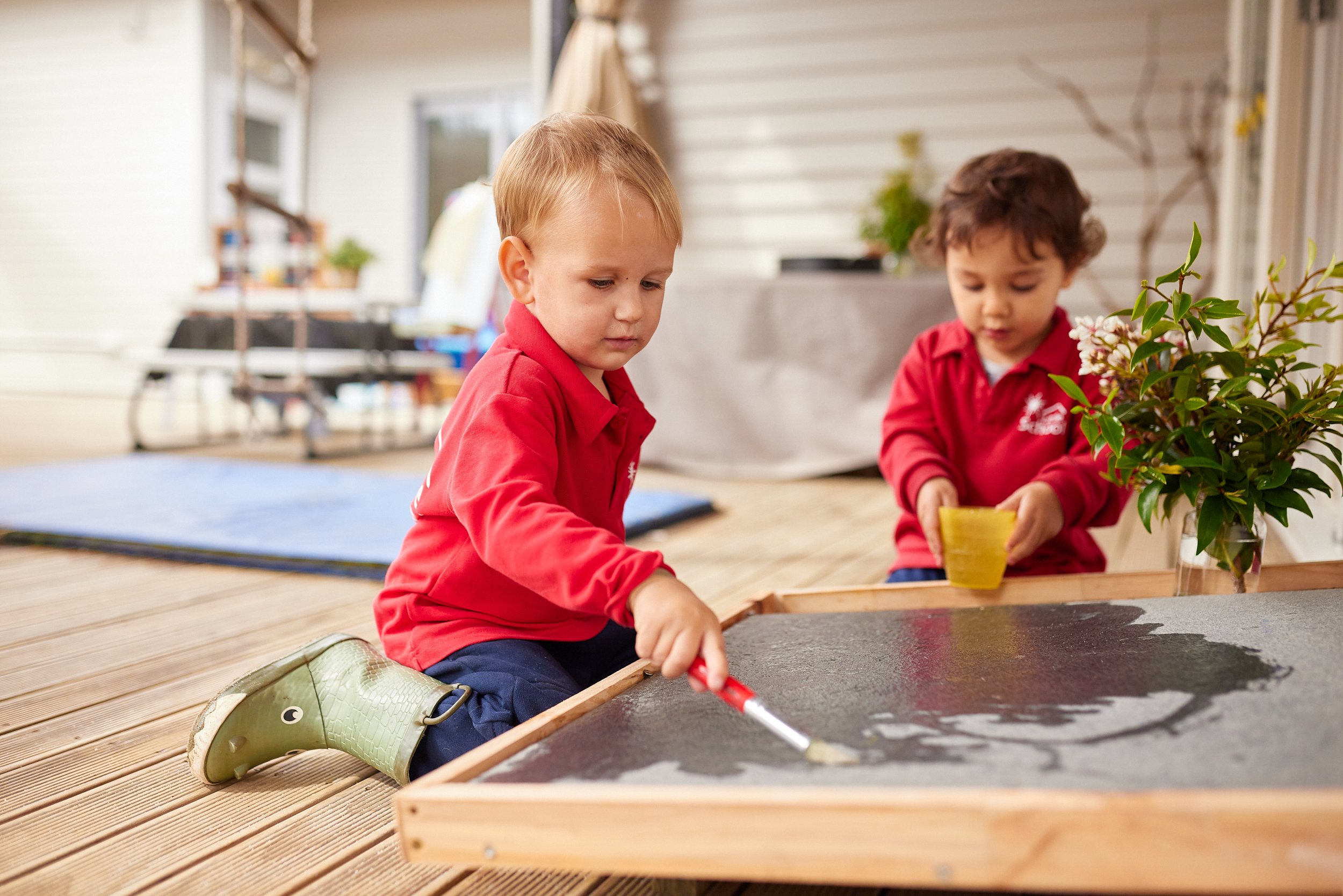
If a child swaps hands, avoids crossing their body, or struggles with coordination — it’s often a midline issue, not a learning problem.
Midline is the imaginary line down the centre of the body. Crossing the midline means one side of the body can move into the other side smoothly.
This is essential for:
reading and writing
eye tracking
coordination
two-handed tasks
left/right brain communication
If children haven’t developed strong midline integration, learning tasks become harder because the two sides of the brain aren’t working together efficiently.
Simple midline activities
crawling
marching with opposite arm and leg
large figure-8 drawing
ball throwing and catching across the body
body tapping games
These movements strengthen the neural pathways needed for academic learning later.
If a child swaps their hands constantly, avoids crossing their body, struggles with coordination, or finds writing unusually tiring, it is often not a learning problem. It is often a midline development issue.
Understanding midline and bilateral coordination in children can completely change how we support them. Midline refers to the imaginary line that runs down the centre of the body - from the top of the head to the toes. Crossing the midline means one side of the body can move smoothly to the other side without the child needing to turn their whole body.
While this may seem simple physically, neurologically it is significant.
When children can cross the midline with ease, the left and right hemispheres of the brain are communicating efficiently. This integration is what allows the brain to “talk to itself.” It supports bilateral coordination - the ability to use both sides of the body together in a smooth, organised way.
Strong bilateral coordination in children underpins everyday skills such as dressing, cutting with scissors, catching a ball, and eventually reading and writing. When midline integration is weak, tasks that require coordination across the body feel harder than they should. A child may switch hands while drawing because one hemisphere fatigues. They may avoid crossing their body and instead rotate their whole torso. They may struggle with eye tracking across a page when reading. They may find two-handed tasks frustrating. This is not about intelligence. It is about neural connectivity.
Midline development and bilateral coordination form part of the sensory-motor foundations that academic learning depends on.
If the two hemispheres are not communicating efficiently, learning tasks can feel exhausting. Children may appear distracted, resistant, clumsy, or fatigued during writing tasks.
The solution is providing plenty of crossing the midline activities embedded naturally into movement and play.
The brain develops from the body up.
Before children can perform complex academic tasks, the neural pathways that connect both hemispheres must be strengthened through physical experience.
Crawling is one of the earliest and most powerful midline integration activities. When a baby moves opposite arm to opposite leg, both hemispheres are firing together. This cross-lateral patterning builds foundational communication pathways in the brain.
Marching with opposite arm and leg continues this bilateral coordination pattern. Drawing large figure eights in the air or on paper strengthens visual midline crossing. Throwing and catching a ball across the body reinforces cross-body coordination. Even simple body tapping games that move rhythmically from one side to the other support neural integration.
These are not random movement games. They are intentional crossing the midline activities that strengthen the neural pathways required for reading, writing, eye tracking, and coordinated movement.
Over the years, I have seen children who struggled with reading improve once their midline integration strengthened. I have seen handwriting become more fluid when bilateral coordination improved. I have seen confidence grow because movement became easier and when movement becomes easier, learning follows.
When the brain can communicate smoothly between left and right, everything feels more organised.
At Little School, midline movement and bilateral coordination activities are embedded into daily play. Crawling, climbing, cross-body games, rhythm exercises and sensory integration activities are part of our intentional environment because we understand that strong neurological foundations begin in the body.
If your child avoids crossing their body, frequently swaps hands, struggles with coordination, or finds writing exhausting, it may be worth exploring whether their midline development needs strengthening.
Often, the answer is more movement - specifically the right kind of movement. For parents and educators wanting to understand bilateral coordination in children more deeply, Life Learning provides practical guidance grounded in decades of early childhood education experience. When we understand the relationship between movement, midline integration, and learning, we stop labelling children and start supporting their development properly.
At Little School, midline movement is embedded into play every day, because learning begins in the body first.
For educators and parents wanting to understand this more deeply, Life Learning provides the “why” behind what we see every day.
Want to learn more? Book a tour at one of our Little Schools. PH:0800 LITTLE
#Littleschoolstheliers#littleschoolchurtonpark#littleschoolkhandallah