

Vestibular System – The Sense That Helps Children Sit Still
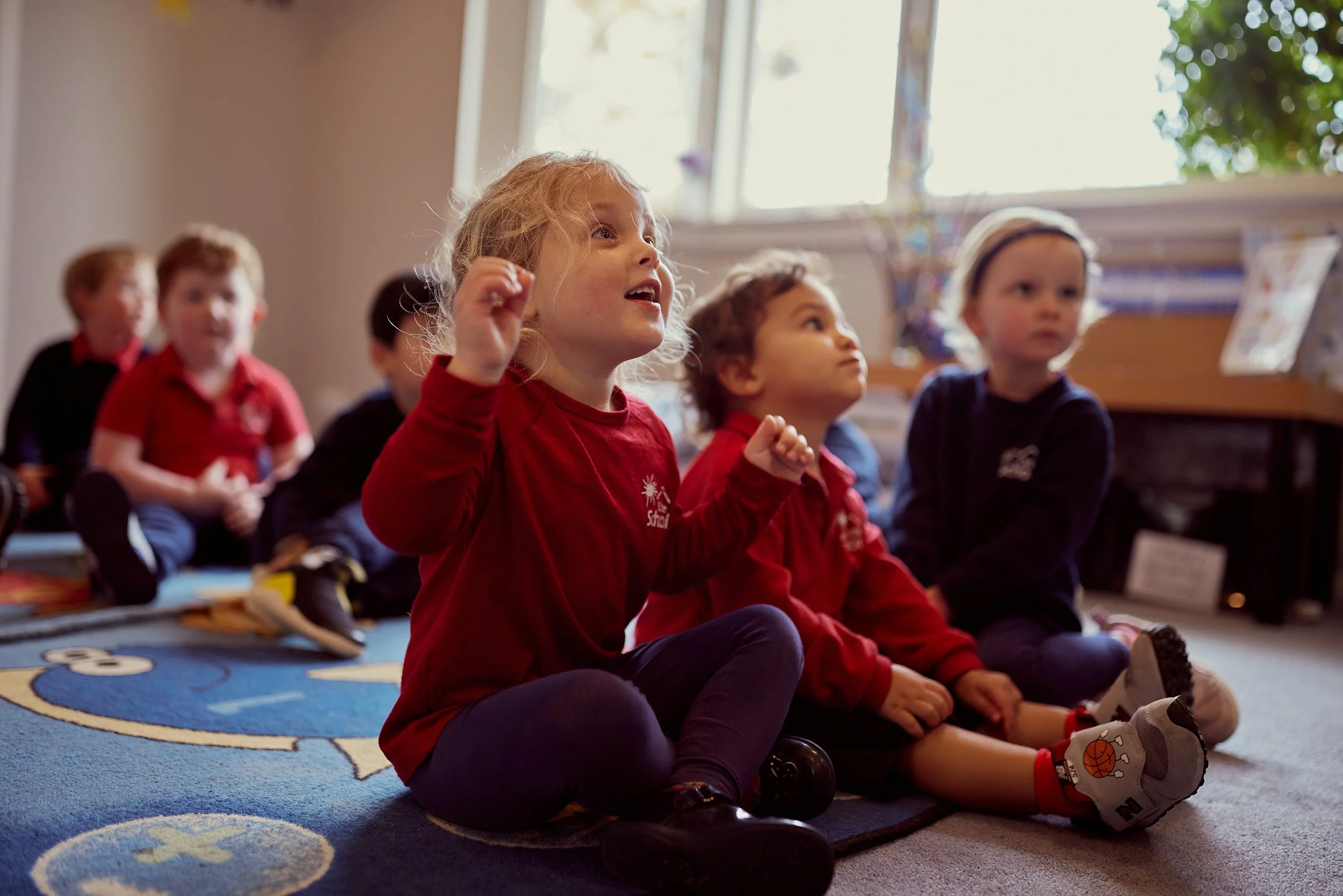
Children do not learn to sit still by practising sitting still.
The vestibular system lives in the inner ear and tells the brain where the body is in space. It’s activated every time a child moves their head — up, down, side to side, spinning or being upside down.
This system plays a huge role in:
balance and coordination
focus and eye control
emotional regulation
the ability to remain still
When the vestibular system is underdeveloped, children may:
avoid movement or crave constant movement
struggle to concentrate
feel dizzy or uncomfortable
have difficulty sitting still
Ironically, the most advanced form of balance is being able to sit still — but children can only achieve this after they’ve had enough movement.
Easy vestibular activities
swinging
spinning (both directions)
rolling down hills
hanging upside down
head-first sliding
At Little School, vestibular input is built naturally into our day because it supports learning, behaviour, and wellbeing.
We prioritise movement every single day because a moving child is a learning child.
For parents and educators wanting to go deeper, Life Learning explores how movement feeds the brain.
Want to learn more? Book a tour at one of our Little Schools. PH:0800 LITTLE
#Littleschoolstheliers#littleschoolchurtonpark#littleschoolkhandallah