

What Can Parents Do When Their Child Struggles with Focus, Behaviour or Emotional Regulation?
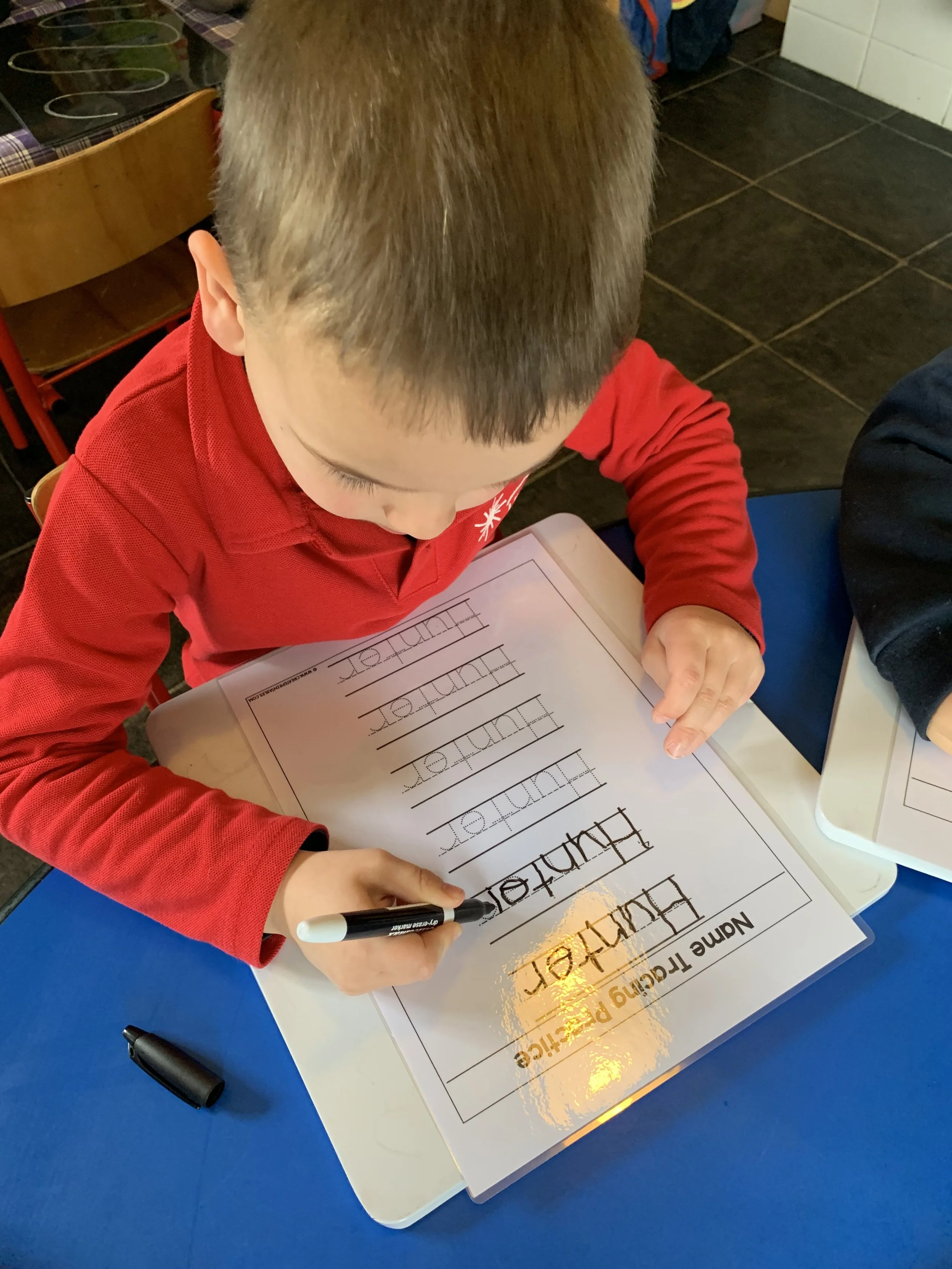
Five Foundations That Support Children at Home, Preschool and School
Many parents begin searching for answers when they notice their child struggling in ways that other children seem to manage more easily.
A child may find it difficult to focus during activities.
They may have emotional outbursts that seem to appear suddenly.
Teachers may mention that they struggle to stay engaged at preschool or school.
Parents often begin asking questions such as:
Why does my child struggle to focus?
Why does my child have emotional outbursts?
Why can’t my child sit still?
Why is my child struggling at school?
These are incredibly common concerns for families today.
In previous articles we have explored how children’s development is closely connected to sensory integration, movement and the organisation of the nervous system. When the brain and body are working together well, children find it easier to regulate their emotions, sustain attention and engage in learning. But once parents begin to understand the developmental foundations underneath behaviour, the next question naturally becomes:
“What can I actually do to help my child?”
While every child is different, there are several simple foundations that can make a powerful difference in supporting children’s development.
1. Increase Daily Movement
Children’s brains develop through movement. Before children can comfortably sit still and focus on learning, their bodies need opportunities to move, climb, balance and explore. Activities such as; climbing playground equipment, swinging, balancing on logs or beams, digging in sand, pushing wheelbarrows or carrying objects provide important sensory input that helps organise the nervous system.
These types of activities stimulate the vestibular and proprioceptive systems, which play an important role in attention, coordination and emotional regulation. When children have regular opportunities for movement and physical play, their bodies become more organised and their brains are better prepared for learning.
2. Create Calm and Predictable Environments
Modern environments can sometimes overwhelm a developing nervous system. Busy schedules, constant background noise and fast transitions between activities can make it difficult for children to regulate themselves. Creating calm and predictable routines helps children feel secure.
Simple things such as consistent bedtimes, regular meal routines and clear expectations throughout the day help children understand what is happening next. When children feel safe and secure, their nervous system can remain calmer and more regulated.
3. Encourage Sensory Play
Children learn about the world through their senses. Sensory play helps the brain organise information and strengthen the pathways that support learning and behaviour.
Activities such as sand play, water play, playdough, painting, climbing and outdoor exploration provide valuable sensory experiences. These activities support body awareness, coordination and emotional regulation. They also give children opportunities to explore and learn through play, which is the natural way young brains develop.
4. Allow Children Time to Play
Play is not simply entertainment for children. It is how the brain learns. Through play, children develop problem solving, creativity, coordination and social skills. They learn how to manage frustration, negotiate with others and regulate their emotions.
Free play, especially outdoors, allows children to move, explore and engage their senses in ways that strengthen the brain. When children spend large amounts of time sitting, watching screens or following adult-directed activities, they miss many of the experiences that support healthy development. Giving children time and space to play freely is one of the most powerful ways to support their learning.
5. Understand How Children Develop
Perhaps the most important step that parents can take, is to understand how children’s brains and bodies develop. Many behaviours that concern parents are not discipline problems. They are developmental signals.
When children struggle with focus, emotional regulation or coordination, it can often mean that the foundational systems underneath learning are still developing. Understanding these foundations allows parents and educators to support children in ways that strengthen development rather than simply trying to correct behaviour.
Supporting Children Through Development
Children’s brains are incredibly adaptable. With the right experiences and supportive environments, they continue developing the pathways that support attention, coordination and emotional regulation.
Movement, sensory exploration, play and supportive relationships all contribute to this process. By providing children with these opportunities, we help them build the foundations that allow them to thrive both in early childhood education and in their later school years.
Learn More About Child Development
If you would like to explore more articles about child development, sensory integration and supporting children’s learning and behaviour, visit the Life Learning blog www.lifelearning.co.nz
There you will find resources designed for parents, teachers and educators exploring topics such as:
• why children struggle to focus
• emotional regulation in children
• movement and brain development
• sensory integration and learning
These articles provide practical insights into the developmental foundations that influence how children learn and behave.
Visiting Little School
If your looking for an early childhood environment that understands the importance of movement, sensory, development, and emotional regulation, we warmly invite you to visit one of our Little School centres.
To arrange a visit, contact 0800 LITTLE.
Understanding how children develop allows us to see behaviour differently.
When we support foundations underneath learning, children gain the confidence, regulation and resilience they need to explore, connect and learn.#ChildDevelopment #EarlyChildhoodEducation #BrainDevelopment #StrongBrainDevelopment #BrainFoundations #SensoryIntegration #PlayBasedLearning #MovementAndLearning #EmotionalRegulation #HelpingChildrenSucceed #WholeChildDevelopment #LifelongLearning #ParentingSupport #RaisingResilientChildren #LittleSchoolNZ #MariaJohnsonEducation