

The Hidden Cost of Screen Time: And What It’s Doing to Your Child’s Development?
Have you ever noticed…
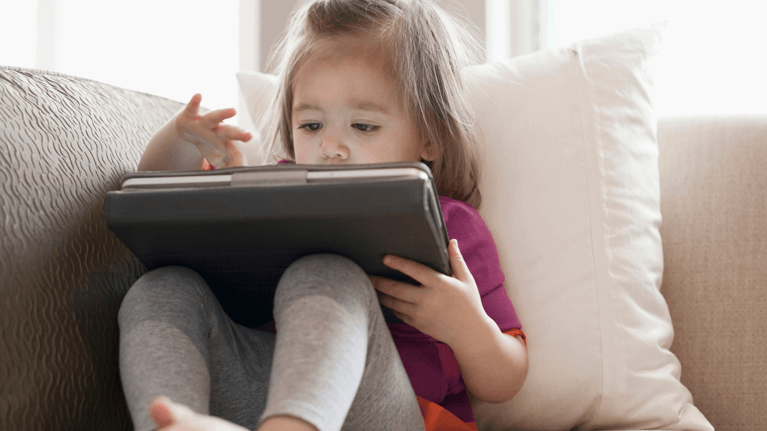
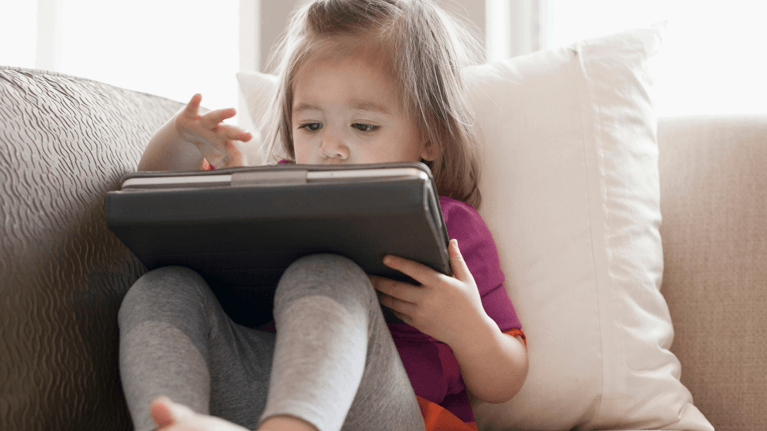
Children today can swipe a screen before they can climb a ladder?
They can navigate an iPad with ease…but struggle to balance, run, or sit upright?
This isn’t just a coincidence. It’s a developmental shift and it’s happening faster than ever.
Childhood Has Changed
Many parents begin searching for answers when they notice their child struggling in ways that other children seem to manage more easily.
A child may find it difficult to focus during activities.
They may have emotional outbursts that seem to appear suddenly.
Teachers may mention that they struggle to stay engaged at preschool or school.
Parents often begin asking questions such as:
Why does my child struggle to focus?
Why does my child have emotional outbursts?
Why can’t my child sit still?
Why is my child struggling at school?
These are incredibly common concerns for families today.
In previous articles we have explored how children’s development is closely connected to sensory integration, movement and the organisation of the nervous system. When the brain and body are working together well, children find it easier to regulate their emotions, sustain attention and engage in learning. But once parents begin to understand the developmental foundations underneath behaviour, the next question naturally becomes:
“What can I actually do to help my child?”
While every child is different, there are several simple foundations that can make a powerful difference in supporting children’s development.

Not long ago, childhood was filled with:
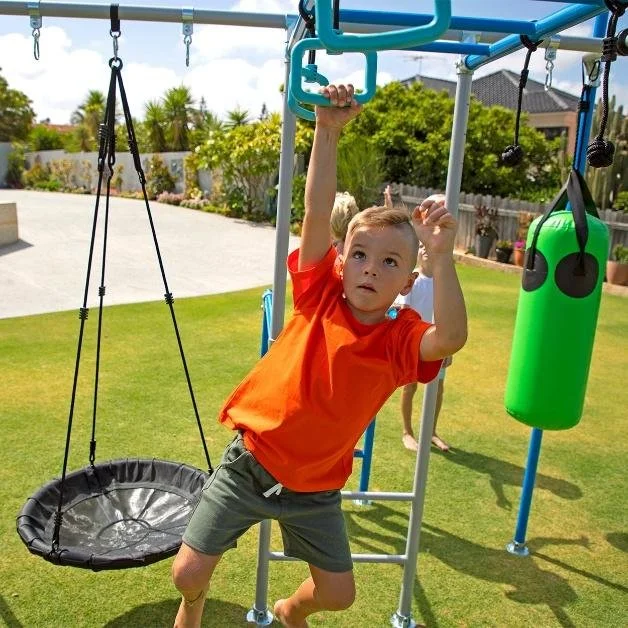
Climbing trees
Riding bikes
Running, jumping, rolling
Exploring the outdoors
Now, many children are spending more time:
Sitting
Watching
Swiping
Tapping
And while technology has its place… it has also replaced movement.
Why This Matters More Than We Think
Children’s brains develop from the body up.
Movement is not just play—it builds:
Balance and coordination
Core strength and posture
Spatial awareness
Focus and attention
Emotional regulation
When children miss out on movement, they miss out on the foundations for learning.
What Screen Time Replaces
Screens don’t just add something new - they often take something away.
Movement is replaced with stillness
Exploration is replaced with observation
Real experiences are replaced with virtual ones
What We Are Starting to See


More and more children are showing:
Poor core strength (slouching, leaning)
Difficulty balancing or coordinating movements
Clumsiness and frequent falls
Reduced stamina
Difficulty sitting still AND difficulty moving well
Emotional and social challenges
Learning difficulties
Behavioural issues
It’s not that children don’t want to move - Many simply haven’t had enough opportunity to develop movement skills.
The Brain Needs the Body
In early childhood, learning happens through:
Touch
Movement
Exploration
Real-world experiences
Sensory pathways like balance, proprioception, and spatial awareness are built through hands-on learning. Screens cannot provide this. No matter how “educational” an app is…it cannot replace what the body and brain need most.
It’s Not About Removing Screens Completely
This is not about guilt. Screens are part of our world. But it is about balance.
The question is: Is your child getting enough movement to support their development?
Simple Ways to Rebalance Childhood
You don’t need to overhaul everything.
Start small:
Daily Movement Ideas
Visit a playground
Go for a nature walk
Let children climb, swing, and hang
Play chasing games
Jump in puddles (yes, really!)
At Home
Obstacle courses
Dance parties
Animal walks
Rolling, spinning, crawling games
The goal isn’t perfection…It’s more movement, more often.
A Powerful Shift for Parents and Teachers
Instead of asking:
“How do we reduce behavioural issues?”
We can ask:
“Is this child getting enough movement each day?”
Because when children’s bodies are supported and movement is part of their everyday experiences:
Behaviour improves
Focus increases
Learning becomes easier
Where to Next?
Understanding the impact of screen time is just the beginning.
At Little School and through Life Learning, we help parents and educators:
Understand child development in simple, practical ways
Recognise what behaviour is really telling us
Build strong foundations for lifelong learning
Final Thought
Technology will continue to grow. But children still develop the same way they always have:
Through movement.
Through play.
Through real-world experiences.
So, the next time your child reaches for a screen…
Pause and ask: What does their body need right now?
Because the answer might not be more stimulation…It might be more movement
Learn more about Little School
To arrange a visit, contact 0800 LITTLE.
#ChildDevelopment #EarlyChildhoodEducation #BrainDevelopment #StrongBrainDevelopment #BrainFoundations #SensoryIntegration #PlayBasedLearning #MovementAndLearning #EmotionalRegulation #HelpingChildrenSucceed #WholeChildDevelopment #LifelongLearning #ParentingSupport #RaisingResilientChildren #LittleSchoolNZ #MariaJohnsonEducation